

Rome vs Florence: Which is better, Rome or Florence. Pros and Cons Guide
Truthfully, you can’t go wrong visiting either Rome or Florence. Both shine as Italian travel destinations. As locals, been to Rome and Florence many times we know the significant differences of Rome vs Florence. Rome claims superiority for ancient ruins, Vatican museums, food and lodging variety. But smaller Florence excels at intimate Renaissance charm and walkability.
For first Italy trips, most visitors pick easy-to-digest Florence. Rome requires multiple visits to absorb its many layers. Why not devote trips to each? There’s plenty of history, culture, art and cuisine to savour in both cities.
Roma and Firenze (As you spell in Italian) each have their travel advantages. The decision is subjective based on your specific interests, time and budget. This detailed comparison will help you decide whether Florence or Rome is better for your next Italian getaway!
Which City Has More to Offer?
It’s a very close call between Rome and Florence for which destination offers the most things to do. Rome undoubtedly has sheer volume with its layers of history and significant monuments. Many travellers return again and again without running out of sight.
However, Florence feels more condensed, with the majority of attractions walkable within its centre. You can “see” Florence quicker than Rome while still needing to prioritize the major highlights.
First-time Italy visitors may cover more ground in the smaller city of Florence. After, you’ll be eager to return to explore lively Rome next!

Pros and Cons of Visiting Rome vs Florence
Rome
- Iconic ancient Roman sites like the Colosseum, Roman Forum, and Pantheon
- Vatican City’s St. Peter’s Basilica and Sistine Chapel ceiling frescoes
- World-famous artworks and sculptures at the Borghese Gallery and the National Museum of Rome
- Mouthwatering Italian food like fresh pasta, pizza al taglio, cacio e pepe
- Great nightlife scene with bars in Trastevere, Testaccio and other neighbourhoods
- Variety of lodging from boutique hotels to budget apartments and B&Bs
- Very touristy in places like Trevi Fountain and Spanish Steps
- Public transit can be confusing and crowded
- Long lines at top museums and landmarks
- Hot and crowded in peak summer months
- Watch out for pickpockets around major attractions
Florence
- Compact, walkable city centre perfect for strolling
- Beautiful Renaissance architecture like Il Duomo and Uffizi Gallery
- World-famous Michelangelo works like David’s statue & Uffizi’s art
- Delicious Tuscan food like Bistecca Fiorentina steak and Chianti wine
- Charming hotels, apartments and Airbnbs with rooftop views
- Less overwhelming for first-timers than the massive Rome
- Gets very crowded with summer tourists
- Fewer budget lodging and dining options
- The nightlife scene is smaller than in Rome
- Day trip needed to reach Tuscan countryside
- Book accommodations 6+ months out

Getting Around Rome vs Florence
Rome is a huge city that can take a long time to traverse from one sight to the next. Luckily, it has an extensive public transportation system of buses, trams, the metro and more. Florence is more compact and walkable once you reach the historic centre area.
We found getting around by foot much easier in Florence compared to Rome. However, Rome has the benefit of more transit options if walking long distances is an issue.

History & Culture | Florence Vs Rome
In this fair comparison we try to help you make a wise decision on which amazing Italian city visit. Florence and Rome are undeniable great places to explore for history, museum and ruins.
Between the two can’t clear give you an answer, because this mostly depend on what you are interested. For this specific reason below you will find Rome vs Florence cultural places and top sights to explore.

Rome’s Ancient Ruins Can’t Be Beat
No place can compete with Rome’s nearly 3,000 years of history and empire-building. Layers of ancient, medieval and Renaissance eras reveal themselves everywhere. Iconic ruins like the Colosseum and Roman Forum offer glimpses into ancient Roman daily life.
The Pantheon still stands nearly 2,000 years later as a testament to architectural marvels. Even Vatican City holds centuries of religious history. Rome wins for the sheer abundance of historical sights.
Rome’s Famous Sites
In Rome, some of the top attractions drawing millions of visitors per year include:
- The Colosseum
- Roman Forum
- Pantheon
- St. Peter’s Basilica & the Vatican
- Trevi Fountain
- Spanish Steps
You could spend weeks exploring Rome’s various archaeological ruins, churches, piazzas, and museums. Nowhere else lets you step back to ancient Roman times like the Italian capital!

Florence Showcases the Renaissance
Florence lacks Rome’s ancient structures but shines as the epicentre of the Renaissance era. The 15th-century Medici family helped usher in creative geniuses like Michelangelo and Botticelli, who left behind many museums and monuments.
You can still see Michelangelo’s David statue and the Uffizi Gallery bursting with Botticelli’s works. Florence’s compact size means you can discover Renaissance history simply by strolling its walkable streets.
Florence’s Masterpieces
For Renaissance art and architecture, Florence has an impressive array of highlights:
- The Duomo of Florence Cathedral with Brunelleschi’s dome
- Michelangelo’s David sculpture at the Accademia Gallery
- Uffizi Gallery showcasing works by da Vinci, Botticelli, Raphael, and more
- Piazza della Signoria with its statues and Palazzo Vecchio
- Ponte Vecchio medieval bridge over the Arno River
In Florence’s compact centre, you have these world-famous attractions and charming neighbourhoods within easy walking distance.
Rome or Florence for Art & Museums
The fair comparison between Florence and Rome take us to decide which of the two is better for museum and art. To be honest within the many sights of Rome, in this category we prefer Florence as it is more compact. In fact, you can easily plan a fantastic weekend in Florence exploring most of everything (if you book the tickets in advance). Instead, Rome needs a few days more. Check our guide on how long staying in Rome to understand better.
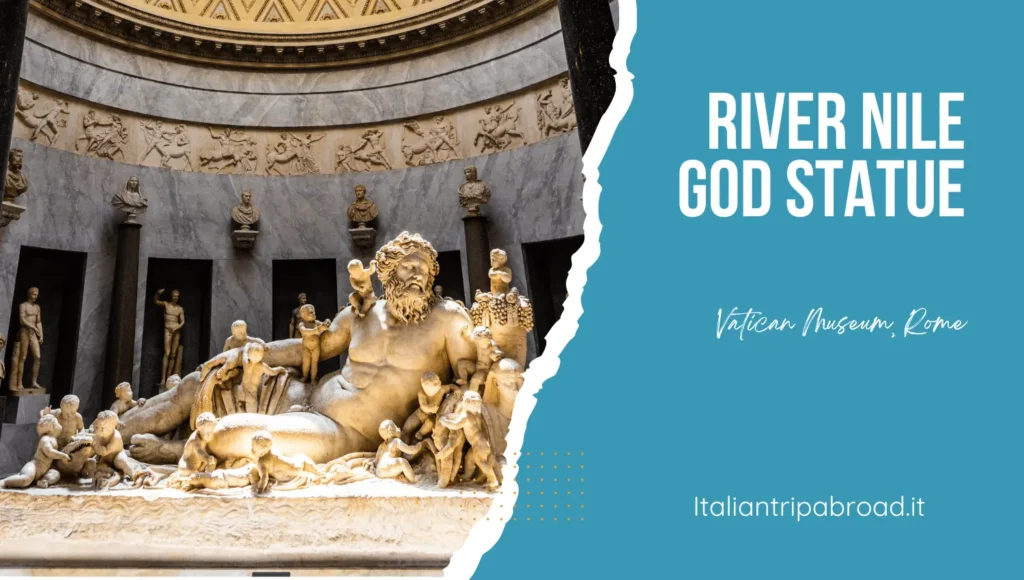
You Can’t Match Rome’s Vatican Museum
Housing the Sistine Chapel and miles of galleries, the enormous Vatican Museum holds one of the world’s greatest art collections, with works spanning centuries. Prepare to be awestruck by Michelangelo’s famed chapel ceiling.
Nearby, the Borghese Gallery displays more Bernini sculptures and Renaissance masterpieces in a lush villa setting. Rome’s National Museum of Rome also impresses with ancient mosaics and statues amidst a 19th-century palace.
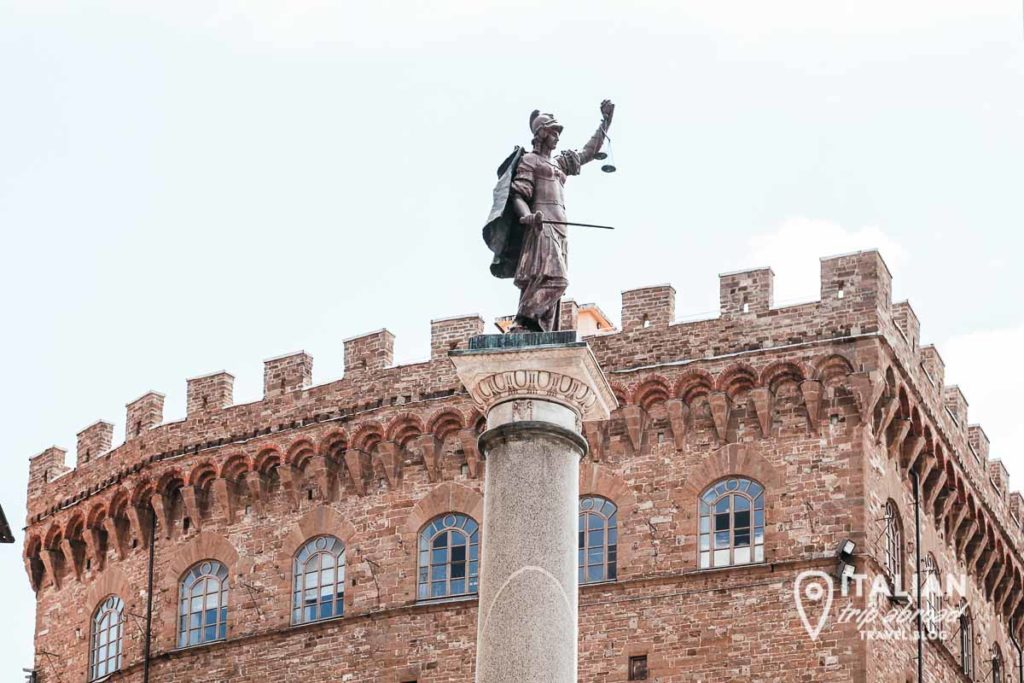
Florence is One Big Renaissance Gallery
While no single museum matches the Vatican, Florence boasts an incredible concentration of art for its size. The Uffizi Gallery contains world-famous Renaissance paintings. Accademia Gallery presents Michelangelo’s creations.
The quirky Museo Galileo shows early scientific instruments. Even churches display stunning frescoes and sculptures. Simply wandering Florence puts you face to face with so much public Renaissance art that it feels like one giant open-air gallery.
Florence or Rome for foodies?
- Rome traditional dishes
- Florence traditional dishes
- Roman Classic things to try
- Tuscan classic things to try
Roman Cuisine is All About Quality Ingredients
From fresh pasta to roasted meats, Roman food dazzles with simple recipes focused on quality ingredients. Bucatini all’amatriciana pasta mixes guanciale pork, tomatoes and pecorino cheese. Carciofi alla romana artichokes are fried in olive oil and mint.
And you can’t leave without trying cacio e pepe’s black pepper and pecorino-coated noodles. Pair dishes with regional Lazio wines like Malvasia and Montepulciano. With so many culinary delights, it’s no wonder Rome is known as the “Stomach of Italy.”
Roman Classics
In Rome, be sure to try:
- Carbonara rich pasta
- Cacio e pepe spaghetti
- Carciofi alla romana artichokes
- Bucatini all’amatriciana tomato and guanciale sauce
- Gelato ice cream stands everywhere!
Rome excels at hearty comfort foods and fresh seasonal produce. Sit at an outdoor cafe for the quintessential Italian dining experience.
Tuscan Cuisine Makes Florence Mouthwatering
Bistecca Fiorentina steak sizzling over a wood fire. Ribollita bread-thickened vegetable soup. Perfect while exploring Florence in winter. Even lampredotto tripe sandwiches tantalize taste buds in Florence. Simple Tuscan ingredients like olive oil, wine and herbs let premium Chianina beef and produce shine.
Florence’s wine bars pour iconic Chianti, Vino Nobile and Brunello varietals from the surrounding countryside. And don’t forget to try Tuscan desserts like panforte Christmas cake and ricciarelli almond cookies. Florence excels at rustic, flavorful dishes.
Tuscan Delights
Florentine cuisine means enjoying Tuscan flavours like:
- Ribollita bread & vegetable soup
- Panini sandwiches with finocchiona salami
- Bistecca alla fiorentina – giant T-bone steaks
- Pecorino cheese & crostini appetizers
- Gelato, especially creamy fig or nut flavours
Tuscany takes pride in quality ingredients like beef, olive oil, and wine. Florence’s food scene trends are lighter and more seasonal than Rome’s.

Which one is easy to explore? Rome or Florence?
Rome Has More Variety of Sights Spread Out
As a major capital, Rome offers an enormous sightseeing variety from ancient ruins to ornate cathedrals to buzzing piazzas. The Colosseum, Trevi Fountain, Spanish Steps and St. Peter’s Basilica just scratch the surface.
With over 900 churches, you find architectural marvels everywhere. Tour the underground Catacombs. Take in the famous keyhole view at Villa del Priorato di Malta. Or explore different neighbourhoods like Trastevere, Prati and Monti. Rome rewards wandering to uncover its secrets.

Smaller Florence is Compact & Walkable
One advantage Florence has over sprawling Rome is its compact size and very walkable centre. Many key attractions like Il Duomo Cathedral, Uffizi Gallery and Palazzo Vecchio government palace cluster within steps of each other around Piazza della Signoria.
In Florence you don’t waste time-fighting traffic or on public transportation. Spend days to exploring individual neighbourhoods like Santa Croce or Oltrarno across the Arno River. When your feet get tired, take in views from Piazzale Michelangelo. Florence feels easier to get around.
Shopping & Fashion
Big Name Shopping Abounds in Rome
Shopaholics flock to Rome for high-fashion boutiques lining streets like Via Condotti and Via Frattina. Major Italian labels like Gucci, Prada, Valentino and Fendi started in Rome. Hidden neighbourhood shops carry locally made leather goods and jewellery.
Find funky housewares at open-air markets. Hunt for antiques in Monti or Via Margutta. And don’t miss the amazing food markets like Mercato Trionfale or Testaccio. Whether you want big luxury names or quirky boutiques, Rome delivers.
Florence Leans Toward Local Artisans
While Florence contains some big-name luxury brands, shopping leans toward locally made leather items, jewellery, linens and artisan products. Speciality workshops craft marbled paper, mosaic tiles or embroidered tapestries.
Oltrarno’s Santo Spirito neighborhood overflows with small workshops. Ornate jewellery and gold shops line the medieval Ponte Vecchio bridge. The San Lorenzo leather market sells jackets, gloves and more. For high-quality craftsmanship, Florence excels thanks to its art history.

Visiting for fun? Understand which is more lively if Rome or Florence!
Find More Diversity Among Rome’s Nightlife
From cosy wine bars to lively nightclubs, Rome’s nightlife options abound. The lively Campo de’ Fiori and Trastevere areas stay hopping late with bars perfect for aperitivo cocktails and people watching. Dance clubs like Room 26, Piper and Akab draw party-goers.
Catch-spirited football matches between hometown rivals Roma and Lazio. Have a laugh at comedy clubs doing stand-up in Italian. Or listen to live music in jazz bars like Alexanderplatz. Rome really comes alive after dark.
Florence Nightlife Revolves Around Wine Bars
Florence might feel sleepy compared to Rome, but wine bars keep things interesting. Head to Oltrarno, San Niccolò or San Frediano to discover hole-in-the-wall enotecas. Piazza Santo Spirito draws a young wine-sipping crowd on summer nights.
If you want some late-night dancing, Central Park nightclub stays open until the wee hours. Small venues like Jazz Club or Be Bop Music Club host concerts. And don’t miss a sunset from Piazzale Michelangelo. Florence’s nightlife unfolds at a slower pace.
Accommodation comparison
Find More Variety Among Rome’s Accommodations
No matter your budget or preferences, Rome has lodging for you – from quaint B&Bs and boutique hotels to historic palazzos and budget dorms. Stay near major attractions like the Pantheon and Trevi Fountain or live like a local in Monti or Trastevere neighbourhoods.
For proximity to the Vatican, Prati is perfect. Enjoy apartment rentals or pamper yourself at 5-star hotels. With so many visitors, Rome offers endless lodging choices.
Smaller Florence Means Book Early
While Florence has fewer accommodation choices overall, you still find quality hotels, B&Bs, and apartment rentals. But with such heavy tourism in a compact area, the best ones book up early.
For luxury right on the Arno River, splurge at Portrait Firenze or Gallery Hotel Art. Or stay at budget-friendly lodgings near Santa Maria Novella station. Consider Oltrarno for boutique stays with a neighbourhood vibe. Just be sure to book Florence lodging 6 months ahead.
Prices & Budget for Visiting
Both Rome and Florence are popular tourist destinations, so you’ll find a range of accommodations and restaurants at various price points. However, Florence is more budget-friendly overall.
Some average costs to give you an idea:
- Mid-range hotel in Rome = $100-$200 per night
- Mid-range hotel in Florence = $70-$150 per night
- Pizza meal in Rome = $8-$15
- Pizza meal in Florence = $5-10
- Attraction entry in Rome = $10-$25
- Attraction entry in Florence = $5-15
Rome draws bigger crowds plus more luxury tourism driving costs slightly higher. But you can still discover free sights and affordable eats if you know where to look on a Rome vacation.
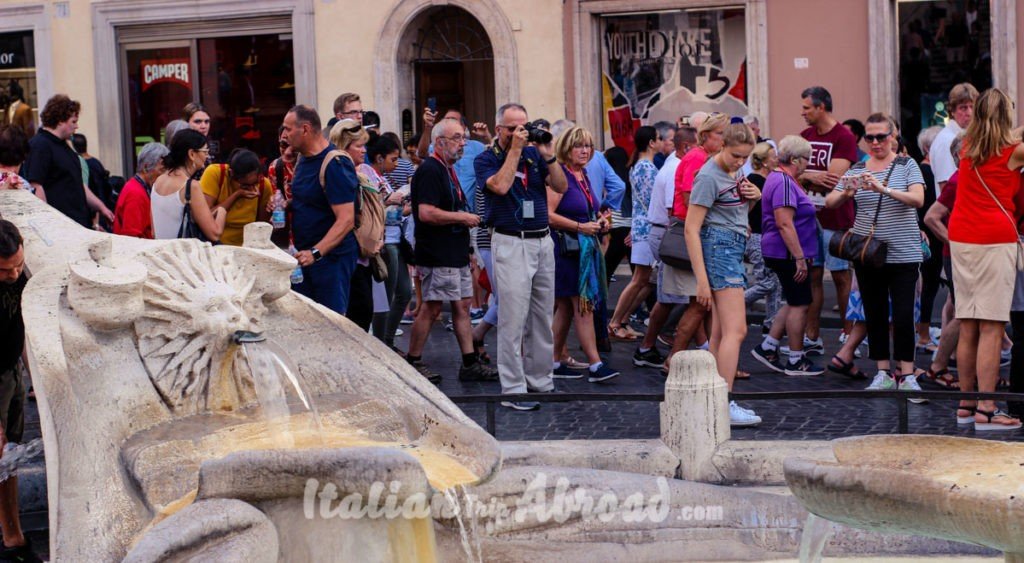
Which City is Less Crowded?
Being two of Italy’s most popular cities for tourism, both Rome and Florence have millions of annual visitors. So, neither can be considered a peaceful hidden gem! However, Florence overall sees smaller visitor numbers than the Italian capital.
In Rome, sightseeing hotspots like the Vatican and Colosseum generate huge bottlenecks for tour groups during peak season. Lesser-known neighbourhoods still buzz with tourists but not the overwhelming crowds.
Florence has its own crowded icons, too, like the Uffizi Gallery and Duomo. But the compact city centre doesn’t feel quite as chaotic to navigate as Rome. Plus, you can escape to quieter districts like Oltrano fairly quickly.
No matter which Italian city you pick, visiting in the shoulder season (Spring or Fall) beats summer crowds. Our tip is to explore both Rome and Florence over multiple vacations to fully experience all they offer!
Which is Better for You: Florence or Rome?
Now that you know how Rome and Florence compare on transportation, attractions, dining, prices, and crowds – which city sounds best for your vacation?
Rome wins if you want to see world-famous ancient sites and don’t mind getting around a large capital. Art and architecture buffs who prefer walkable sightseeing may prefer Florence instead. Foodies appreciate the local flavours in both regions.
Hopefully this closer look helps point you toward the ideal Italian destination to match your must-see list. There’s no “better” option between Rome vs Florence – one will just align better with your travel priorities.
Whichever you pick, come with comfy walking shoes as you eat your way through these amazing cities! Let us know if you have any other questions to help you decide where to base your Italy trip.