

How many days in Rome? A local’s guide on maximizing your holidays in Rome
How long should you spend in the Eternal City to properly experience Rome? An ideal Rome itinerary spans 5 to 7 days. With endless iconic sights, world-renowned cuisine, and la dolce vita vibes around every corner, you may need weeks to soak it all in.
I have called Rome for over 3 years as a student in the Capital of Italy, and since then visited it countless times. Five days to a week in Rome allows ample time to discover top attractions like the Colosseum and Vatican Museums without a rush.
A proper visit to the ancient capital of the world needs to include also a few hidden gems and neighbourhood wanders. This guide will give you full highlights about Rome, from the best areas to stay to top day trip options for extending your Italian escape.

How many days to spend in Rome? Crafting the ideal Rome itinerary
How many days to spend in Rome to see the top sights comfortably? We recommend 4 full days as the sweet spot for first-timers. This allows enough time to explore ancient ruins like the Colosseum and Roman Forum, marvel at the Sistine Chapel and St. Peter’s Basilica, toss a coin in the Trevi Fountain, enjoy lingering meals of pasta and wine, plus squeeze in a day trip to Pompeii or the charming town of Orvieto.
Stretching your Rome trip to a full week would be even better, letting you dive deeper into distinct neighbourhoods like Trastevere, check out the Borghese Gallery, and slow down to really soak in the atmosphere of piazzas and backstreet trattorias. But 4 days total provides a solid introduction without being too rushed.
Is 2 days enough in Rome?
No! With just 48 hours total, you’d be cramming to cover all the top attractions, likely missing out on the Vatican Museums, Borghese Gallery and more. It’s enough to briefly experience central Rome, but you’d leave yearning for more.
Is 3 days long enough in Rome?
Three full days allow you to see the major historical sights – the Colosseum, Forum, Pantheon and Trevi Fountain – plus the Vatican or Borghese Gallery. But visiting both those world-class museums would be a stretch. We’d suggest picking either Vatican or Borghese over trying to cram both in.
Is 4 days in Rome too much?
Not if you want to truly immerse in la Dolce Vita and see both marquee museums! Four days provide breathing room between the big sights to wander characteristic neighbourhoods, people watch at cafés, see Caravaggio masterpieces, and indulge in long Italian lunches. You’ll still be busy but can better enjoy Rome’s magic.

Quick Rome Itineraries: At a Glance
Before detailing our favourite Rome itinerary options, here’s a quick overview of how we’d recommend dividing your time for trips ranging from a quick weekend to a delightful week (or more!). Surely you will find your answer to How Many Days In Rome Are Enough?
Rome in 1 Day: Vatican Museums & Sistine Chapel, St Peter’s Basilica, Pantheon, Trevi Fountain.
Rome in 2 Days: Above, plus Colosseum, Roman Forum, Campidoglio, Trevi Fountain and Spanish Steps. READ THE ITINERARY.
Rome in 3 Days: Above, plus Piazza Navona and Campo de Fiori, some time for shopping, food tours and museums.
Rome in 4-5 Days: All above, plus day trips like Tivoli Gardens, Ostia Antica or Naples.
Rome in 6+ Days: Relax more, explore better! Take your time to wander charming neighbourhoods like Trastevere, Testaccio and Monti.

One Day in Rome: The Vatican & Centro Storico
For your first day in the Eternal City, we recommend starting early at the Vatican. Arrive around 8 am to beat both the crowds and the summer heat at the world-famous Sistine Chapel and Vatican Museums. Book your skip-the-line tickets to quickly enter the majestic Vatican City.
Next, head to St Peter’s Square and Basilica – the epicentre of the Catholic faith. Marvel at Michelangelo’s soaring dome and opulent papal tombs. After all that art and history, stop to refuel with lunch at a traditional osteria in atmospheric Borgo Pio.
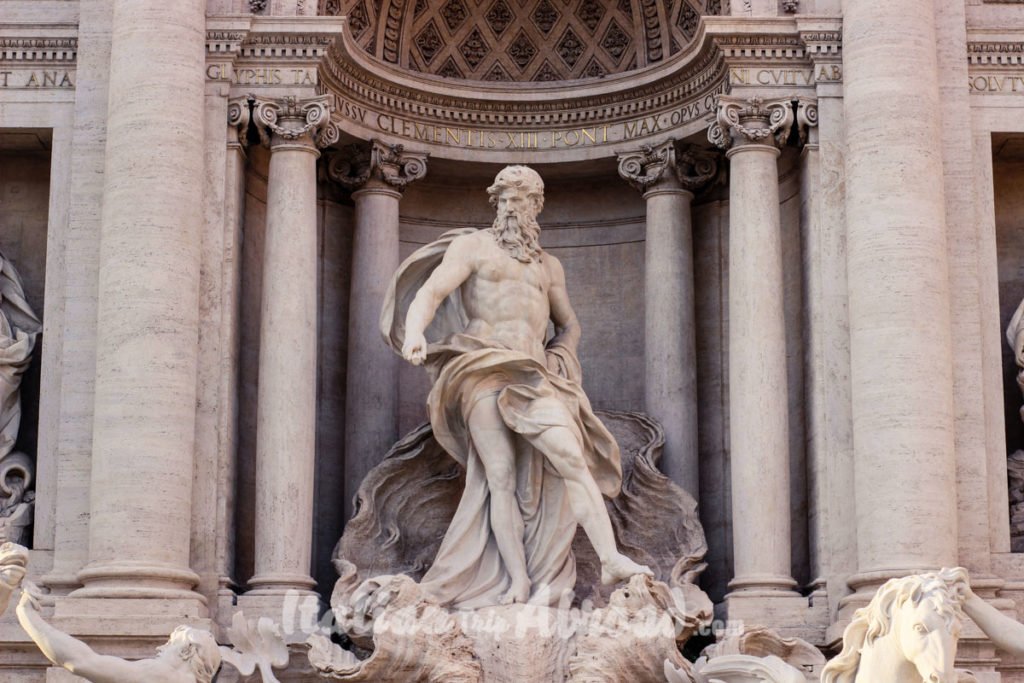
Re-energized, walk across the Tiber River to discover Piazza Navona’s Bernini fountains, then the Pantheon – the ancient Roman temple with the world’s largest unreinforced concrete dome. Cap off your 16,000 steps first day by tossing a coin backwards into Trevi Fountain to ensure your return to Rome.
Read more about Rome
Two days in Rome: The Colosseum, Roman Forum & Beyond
For sure the Colosseum is on your Rome bucket list. To cross it from the list, arrive when the gates open at 8:30 am to explore the gladiator arena before crowds get there. As per the Vatican City, you can book skip-the-line tickets and beat the crowds. We have a complete guide on how to visit the Vatican for free. Read it.
Next, stroll through the adjacent Roman Forum and Palatine Hill (Combined ticket with the Colosseum available here) – wandering past 2,000-year-old temples and ruins that once comprised the centre of political and social activity in ancient Rome.
After more epic history, cross town to the often-overlooked Campidoglio (Capitoline Hill). This Michelangelo-designed piazza boasts one of the city’s finest museum collections inside the Capitoline Museums.
Finally, cap off day two by joining the locals on Rome’s most beloved evening activity – the aperitivo! Sip wine or cocktails while snacking on unlimited appetizers at bars between the Pantheon and Piazza Navona.

Day 3: Slow Down & Savor Rome
If you plan a three-day stay in Rome, we recommend taking a breather from the “big three” sightseeing highlights to enjoy more local experiences. Meander colourful food markets like Mercato Campo de’ Fiori or Mercato Trionfale to shop for picnicking supplies.
Tour off-the-beaten-path attractions like Rome’s answer to street art mecca Banksy Garden or explore neighbourhoods like Monti and Trastevere. Learn to cook pasta like a nonna during a hands-on cooking class, or master Rome’s art of aperitivo with a guided bar crawl.
Take time to get deliciously lost among Rome’s enchanting streets and piazzas. Duck into tiny chapels that house masterpieces by Caravaggio, linger over coffee at an al fresco cafe and try your luck tossing coins into historic fountains.
In other words, slow down and do as the Romans do! This more relaxed third day will help recharge you before diving into a busy week of sightseeing or side trips.
Ideal Rome Itineraries: 4 Days, 5 Days, 6+ Days
If you’re lucky enough to spend more than just a quick weekend in the Eternal City, fantastic! Having at least 4 days (or more) allows you time to not only see iconic Rome but also venture outside the city centre to discover bucket list day trips or more local neighbourhoods.
Rome in 4 Days
While an extra day gives you breathing room on your “big three” sightseeing days, we’d recommend focusing day four on an incredible day trip to nearby Tivoli. Here at the UNESCO-listed Hadrian’s Villa and Villa D’Este, ancient Roman luxury and Renaissance gardens meet in one incredibly gorgeous destination.
With an early start, you’ll have time to explore Tivoli’s sites before returning to Rome in the late afternoon. Refresh after a day of walking amidst olive groves and cypress trees with – what else? – aperitivo and dinner in Rome’s most romantic neighbourhood, Trastevere.

Rome in 5 Days
An extra day means double the day trip options! Choose between two other incredible sites within easy reach of Rome: the ruins of Ostia Antica or the vibrant city of Naples.
At the ancient port town of Ostia Antica, you’ll have the ruins practically to yourself as you wander a remarkably well-preserved slice of Roman life. In Naples, trade antiquity for crazy Italian chaos, pizza birthplaces and volcanic vistas over pizza’s birthplace.
Can’t choose just one day trip? Extend to a sixth day in Rome! Spend one day wandering Ostia Antica, then devote another to exploring Naples and Pompeii, perhaps with an overnight stay.
Rome in 6+ Days
By this point, you’ll have seen all the heavyweight sights, taken day trips to Tivoli, Ostia Antica and Naples, and enjoyed Rome’s most charming neighbourhoods. Now what?
We suggest slowing down to discover Rome’s quirky museums like the tiny Post Office Museum, the Galleria Umberto Sordi, the pasta museum or the Museum of Souls in Purgatory!
Take day trips farther afield to artistic Orvieto, the sunny Tuscan beach town Civitavecchia or the monster Lake Bolsena. Escape the summer city heat by heading to the beach at Fregene or Santa Marinella.
Most importantly, don’t try to cram in more sightseeing! Leave plenty of time for lingering Italian lunches, people-watching at sidewalk cafes, and simply savouring la dolce vita during your Roman holiday.
Best Tours & Experiences in Rome
While wandering Rome’s captivating streets and sights independently is incredible, joining a tour or experience makes insider access and deeper understanding effortless. Here are top picks for wanderers with limited time to spare:
Skip the Line Colosseum Tour: Led by experts, explore the arena floor, upper tiers and arena with priority access. Read our guide on how to skip the queue at the Colosseum.
Crypts & Catacombs Night Tour: Discover Rome’s buried secrets on an after-dark walking tour of crypts, ruins and catacombs.
Street food and Craft Beer Walking Tour: Sip local brews while exploring Rome’s vibrant street art culture and traditional local food.
Pasta Making Cooking Class: Master pasta dishes like bucatini cacao e pepe and carbonara during a small group cooking class in Rome’s gourmet Trastevere neighbourhood.
Rome Wine Tasting Class: Swirl, sniff and savor Italian vino while learning about wine regions from sommelier-led tastings.
How Many Days for Rome: Final Thoughts
While it’s possible to see Rome’s greatest hits in just 2-3 action-packed days, we firmly believe you haven’t truly experienced Rome without also getting a little lost among its charms.
Linger over aperitivo as the sun sets over ancient ruins, people watch from a tiny trattoria and strike up a conversation about Italian soccer. Allow Rome’s beauty, chaos, cuisine and culture to slowly seep into your soul.
As the Italian saying goes, “Roma, non basta una vita” – Rome, a lifetime is not enough. No matter how long you ultimately decide to stay, we know you’ll be plotting your return to the Eternal City before you even leave!


When is the Best Time to Visit Rome?
With its Mediterranean climate, Rome enjoys mild weather for most of the year. However, the most ideal times to visit are during shoulder seasons in mid-spring and fall when the summer heat and crowds of tourists have subsided.
The weather in Rome typically features hot, dry summers from June to August, with temperatures frequently rising over 30C/86F. While sightseeing is still pleasant early mornings, the afternoon heat can be intense.
As Romans escape the city for beach holidays in July/August, hotels do offer better rates, but crowds at major sights remain very heavy. Avoid midsummer Rome if possible. On the other hand, we must mention Rome in winter, when the atmosphere is magical; Piazza Navona is all lit up with the Christmas Markets and all around, the atmosphere is incredible.
The best season to visit Rome
Mid-late April, May, mid-late September, and October enjoy Rome’s famously pleasant weather, with average temperatures around 20-25 °C/68-77°F. You’ll encounter fewer summer tourists than June-August as well. Roman site lines may still be present but are shorter.
November-mid March offers cultural perks from opera season to Christmas markets without summer crowds. Temperatures can fluctuate from chilly, grey days to almost spring-like weather. Check for site closures and come prepared with layers.
Late March-April welcomes warmer spring temperatures, blooming foliage around Rome’s orange trees and fewer tourists before peak season. Easter does draw Italian pilgrims, and school breaks may boost family travel.
No matter when you visit, packing layers to accommodate changing weather and reliable walking shoes are musts for Rome!
How to get around Rome
As a compact city built long before cars, Rome rewards walking and public transit over driving. Here are the best transportation options for navigating the city:
On Foot: Rome’s historic centre is compact, making it perfect for exploring on foot. Just be sure to wear comfy shoes! You can cross between major landmarks in under an hour.
Metro: Rome’s two metro lines provide quick connections between Termini Station, the Colosseum, Circus Maximus, the Vatican and more. Purchase tickets at stations, tobacco shops or newsstands.
Bus: Extensive bus routes around Rome’s centre and outskirts have stops near most attractions. Purchase tickets on board, at metro stations, or at tobacco shops. Validate in machines when boarding.
Taxi: White taxis offer flexible ways to cut between key sights, nightlife areas, your hotel and transportation hubs. They can be expensive, so agree on rates before entering.
Rome Public Transportation Tickets
Navigating Rome’s metro, buses and trams requires you to first purchase the right ticket or transit pass. Here’s a breakdown of your ticket options:
BIT (Integrated Time Ticket): Valid for 100 minutes to ride any mix of metro, buses and trams. €1.50
BIG (Integrated Daily Ticket): Unlimited rides on all public transport within Rome for one calendar day. €6
CIS (Tourist Ticket): Unlimited transport on all metro, bus, and tram lines within the city centre. Valid for 3 days. €18
ROMA PASS: More than free transport, it also includes free/discounted entry to museums & sites. Valid for 2/3 days. €28-38. PURCHASE HERE!
Tickets are available at metro stations, tobacco shops, newspaper kiosks, or onboard buses (for a surcharge). Always validate in machines when boarding buses and trams.
Where to Stay in Rome
With endless accommodation options in Rome, choosing the ideal neighbourhood to stay in can be overwhelming. Here’s a quick breakdown of our favourite areas for different traveller priorities:
Near Ancient Rome/Colosseum: Stay in Monti for boutique charm or Celio for budget rates on hotels within walking distance to the Colosseum, Forum and Capitoline.
Near Vatican City: Prati offers 4-star luxury or quality apartment rentals in Rome’s most proper neighbourhood, just across the Tiber River from St Peter’s.
Best Nightlife: For buzzing nightlife from aperitivo to dance clubs, base yourself in Testaccio, Trastevere or near Campo de Fiori.
Most Authentic Neighborhoods: Discover Rome’s soul in districts like Trastevere, Testaccio or trendy Pigneto outside the heavily touristed areas.
Luxury & High Fashion: If luxury shopping and 5-star hotels are your style, you can’t beat the upscale Tridente district near the Spanish Steps.

Subtitle for This 5-star | Awarded Small Luxury Hotels of the World
✔️ Best Location Close to Colosseum
🚘 Airport Transfer
💳 Free Cancellation
🛎️ Front Desk 24-hour
🍹 Outdoor terrace Bar and Restaurant

5-Star Hotel with Wellness Facilities
✔️ Best Location Close to Piazza Navona
❤️ Spa Facilities Included
💳 Free Cancellation
🏋️♀️ Fitness Centre
🍽️ Restaurant and Rooftop Bar
Extend your Italian adventure beyond Rome
While Rome deserves ample time, you can easily add a few days in Florence, Venice or Italy’s scenic countryside without much extra effort, thanks to Italy’s excellent high-speed rail network. For a better overview we invite you to read our guide to the best weekend trips from Rome by train.
Here are some of our favourite Italian itinerary extensions you can make by train from Rome’s Termini station:
Florence: Just 1.5 hours north of Rome by fast train, spend 2-3 days exploring Renaissance art and architecture.
Venice: The 3.5-hour train journey transports you to this floating city’s romantic canals and piazzas. Stay 2-4 days.
Cinque Terre: Five colorful villages perched between sea and cliffs deserve 2-3 days for hiking and swimming along Italy’s gorgeous Ligurian coast.
Amalfi Coast: Check the ultimate Italian bucket list destination off your list by riding trains and buses for 8 hours to reach this coastal resort region for a 3-4 day stay.